A significant policy milestone – and the start of delivery
The Department of Health’s publication of the Neighbourhood Model of Health and Wellbeing marks a pivotal moment for health and social care reform in Northern Ireland. As set out clearly in the accompanying blog for HSC staff and service providers, the model responds directly to system pressures by shifting focus towards prevention, earlier support and care delivered closer to home, within neighbourhoods and communities.
For the Voluntary, Community and Social Enterprise (VCSE) sector, this direction is both welcome and familiar. Community based organisations have long demonstrated that person centred, preventative support works best when it is rooted in local relationships, shaped with people who use services, and connected to wider determinants of health and wellbeing.
We in the NI Health Collective, welcome the publication of the model not as an end point, but as the beginning of a new phase focused on implementation. We were pleased to contribute to the development of the model, including through our collated VCSE response1 and it is encouraging to see the breadth of community led practice reflected in the accompanying evidence and examples.
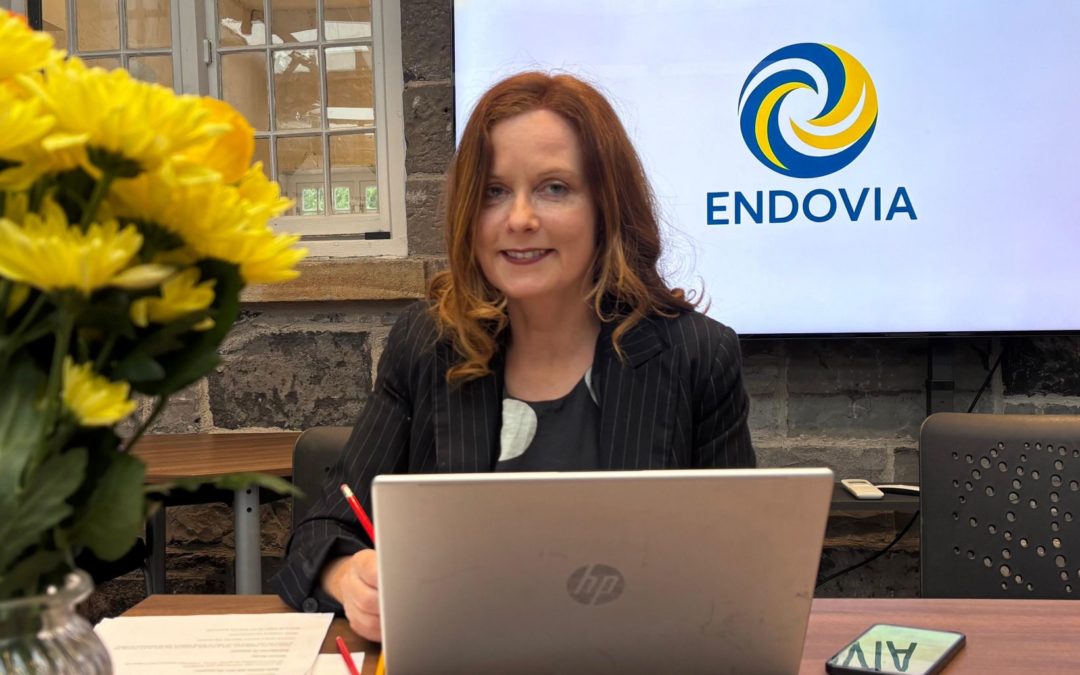
“The Neighbourhood Model is a positive step towards prevention and care closer to home, and we welcome the Department’s engagement with the VCSE sector in shaping this direction. The challenge now for us all is delivery—grounded in strong, relationship based collaboration at neighbourhood level, with the VCSE recognised and resourced as an equal partner. Through NI Health Collective and our members, we are ready to play an active role in turning this ambition into outcomes people and communities can see and feel.” — Gillian Lewis, Head of NI Health Collective
The Minister and Department Officials have also been candid about the scale of change required. It recognises that delivering neighbourhood care will require new ways of working across primary care, social care, community services, local government and the VCSE sector, supported by better use of data, digital tools and innovation. Importantly, it acknowledges the need to rebalance investment over time to make this shift sustainable.
VCSE organisations have welcomed this honesty. While there is strong ambition and shared commitment, there are also real concerns about capacity, stability and resourcing. Addressing these will be essential if community and voluntary organisations are to play their full and equal role as neighbourhood partners.
As Integrated Neighbourhood Teams begin to take shape, with an early focus on older people, prevention and smoother pathways through care, NI Health Collective will continue to work closely with VCSE partners, the Department of Health and statutory colleagues. Our priority is to help ensure that neighbourhood models are built with communities, that relationships are placed at the centre of delivery, and that VCSE capacity is recognised as a core part of the system rather than an addon.
If implemented well, the Neighbourhood Model should be felt most clearly in communities: people getting help earlier, experiencing joinedup support that reflects what matters to them (for example, staying independent, being listened to, having choice and control, and getting the right help at the right time), and being able to stay well for longer. Over time, that means improved wellbeing and reduced inequalities, alongside less avoidable demand on acute services—because prevention and care closer to home are working in practice.
The direction is now clear. The task ahead is to translate policy into practice in a way that is collaborative, realistic and grounded in lived experience. Together with our members and partners, NI Health Collective stands ready to contribute constructively to the next phase of neighbourhood health and wellbeing.
1NI Health Collective Response to Neighbourhood Model of Care