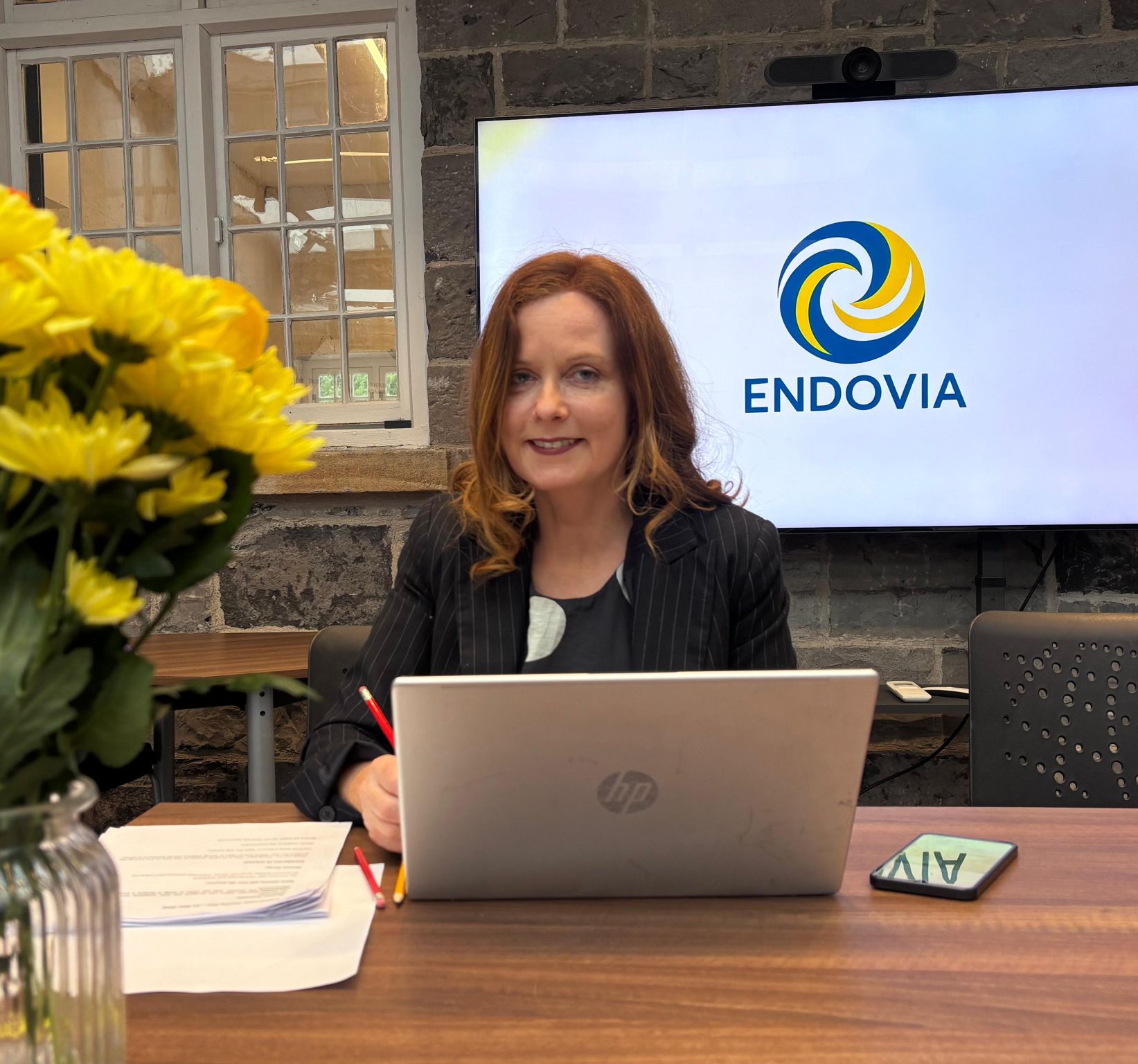
For just under two years, I’ve been listening to women across Northern Ireland as they share their experiences of living with endometriosis. I’ve also spoken with women in the Republic of Ireland and across the wider UK, and despite the different locations, the themes they describe are strikingly similar.
A clear picture emerges when you listen closely, endometriosis is not only a physical condition. It carries a deep emotional and psychological toll that is often overlooked.
Women have spoken about years of unmanaged pain, uncertainty, and repeated dismissal of symptoms. Diagnostic delays of up to ten years are now common in Northern Ireland, and some women have waited nearly twenty years for answers. Living with that level of uncertainty takes a significant toll on mental health. Many describe the anxiety of not knowing what is happening in their own bodies, the frustration of being passed between services, and the emotional exhaustion of feeling unheard or unsupported.
Alongside the emotional strain, the financial burden is a recurring theme. Reduced working hours, time off work, and the cost of managing symptoms all add another layer of stress. Many women also shared the financial strain of feeling they had no option but to seek private healthcare due to long waiting times, a pattern that is becoming increasingly common across Northern Ireland.
Across every conversation, one message is consistent, the need for care that recognises the full reality of living with endometriosis. Earlier diagnosis can ease some of this distress, but women emphasised the importance of compassionate communication, validation, and coordinated support. Women also spoke about how symptoms affected their day‑to‑day family life and routines, highlighting the wider impact the condition has beyond physical health.
I share these reflections in a personal capacity, based on what women have told. Their voices highlight the urgent need for joined‑up support that addresses not only the physical symptoms of endometriosis but also the emotional, psychological, and financial realities that accompany it.
If these insights help contribute to ongoing conversations about improving care pathways and mental‑health support, I’m grateful to be able to share them.
Diane Reilly,
Founder of Endovia